

The Right Needs Assessment
The other day, I came across a LinkedIn post from a nonprofit asking people to share a community survey within their networks. At first glance, it seemed like a smart move: broad reach, easy distribution, and a chance to gather input from a wide range of community members. As someone who loves data and surveys, of course I clicked on the survey.
But once I reviewed the survey details, a few red flags emerged. These issues aren’t unique to this organization but involve common pitfalls nonprofits face when conducting needs assessments without the right support.
The survey wasn’t reaching the intended community
The organization wanted feedback from a very specific group of people in a defined geographic area. While LinkedIn can reach some of them, it’s far from a reliable channel for engaging the exact community they hoped to hear from. Many of the people they most needed to reach may not be active on LinkedIn—or on social media at all.
Language accessibility was missing
From my quick review, the survey was only available in English, even though the target community speaks multiple languages. This alone dramatically limits who can participate. If you want to understand a community, you must speak to them in the language they use every day. Otherwise, you’re not collecting their needs, just collecting a convenience sample of perspectives.
Sensitive questions require trust, not just anonymity
Even though the survey appeared anonymous, some questions were deeply personal. For vulnerable groups, like immigrants, refugees, or all of us who have reasons to protect our data, anonymity on a digital form may not feel safe. Trust is built through relationships, not random hyperlinks.
Timing and context matter
Needs assessments don’t happen in a vacuum. Community conditions, political climate, safety concerns, and current events all shape whether people feel comfortable sharing their experiences. A well‑designed assessment accounts for this context rather than ignoring it.
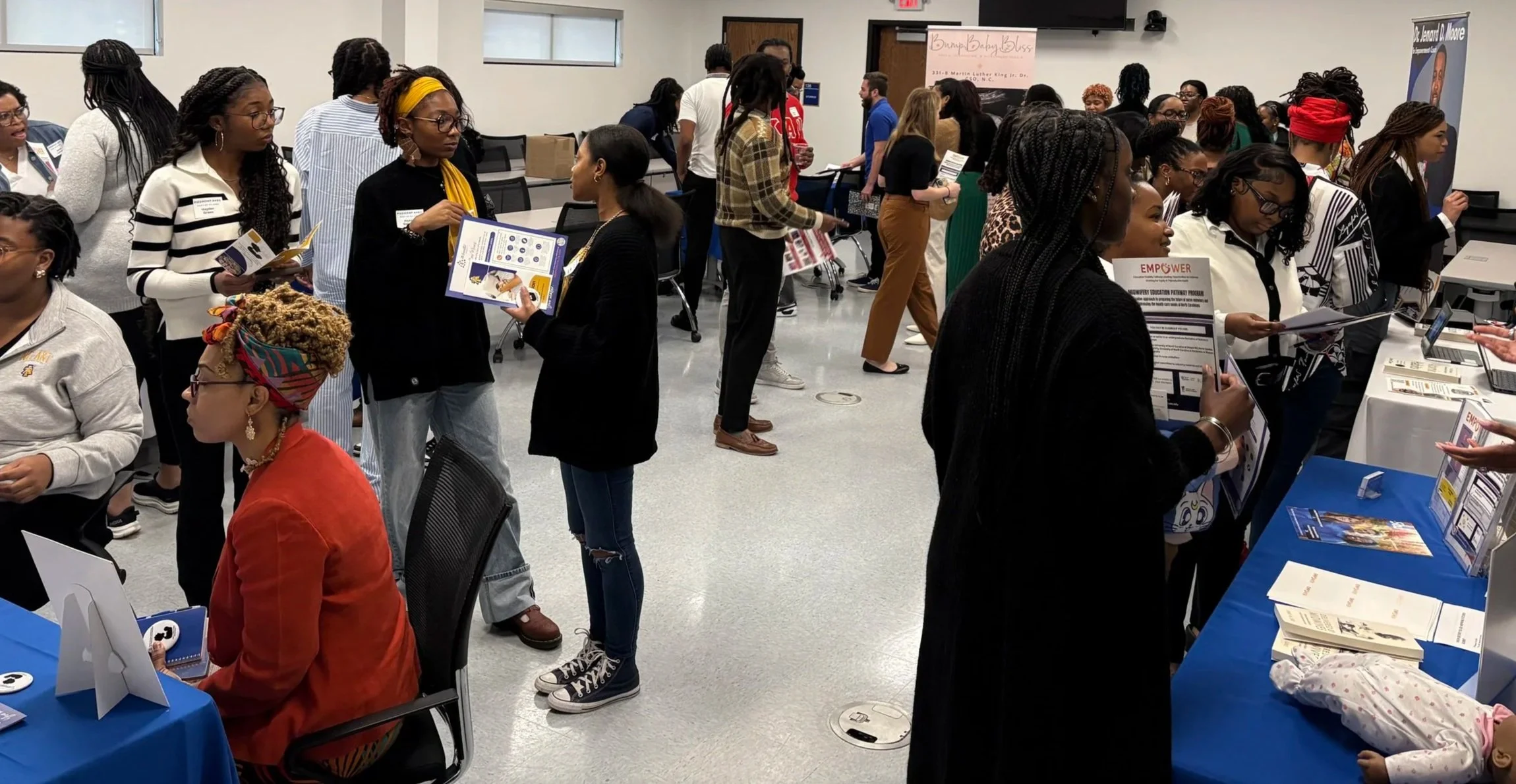
Understanding the community you want to reach is vital to gathering a strong needs assessment
What Strong Needs Assessments Actually Require
A meaningful needs assessment is never just about distributing a survey. It requires:
Understanding the community’s communication channels (Are people online? Which apps do they rely on? Do they gather at churches, mosques, or other community centers?)
Building trust before asking for information (People share openly when they feel respected, safe, and understood.)
Using culturally and linguistically appropriate tools (Translation, interpretation, and community‑based data collection aren’t optional—they’re foundational.)
Choosing the right methods for the right questions (Surveys are one tool. Interviews, focus groups, listening sessions, and community partnerships are others.)
When these elements are missing, organizations risk collecting incomplete or misleading data and then building programs on shaky foundations.
Why Hiring an Experienced Evaluator Changes Everything
A skilled evaluator brings more than technical expertise. They bring strategy, nuance, and an understanding of how to gather information in ways that honor the community and strengthen the organization.
A great evaluator can help your organization:
Design assessments that actually reach the people you want to hear from (Not just the people who happen to see your post.)
Choose the right mix of methods (Surveys when appropriate, but also interviews, community partnerships, and culturally grounded approaches.)
Build trust with communities who have been historically harmed or overlooked (Because data collection is relational, not transactional.)
Interpret findings in ways that lead to stronger programs and better outcomes (Good data leads to good decisions.)
Avoid common pitfalls that waste time, money, and community goodwill (Because experience matters.)
In short: a thoughtful evaluator helps you collect the right data, from the right people, in the right way, so your programs can actually meet the needs you’re trying to address.